About Fukuoka City
Fukuoka City, located on the northern coast of Kyushu Island, has a rich and vibrant history that spans centuries. Here’s an overview:
Ancient History
The Fukuoka area has been a hub of cultural exchange since ancient times, due to its proximity to the Korean Peninsula and China. Archaeological discoveries, such as the Golden Seal of King Na, suggest connections to Chinese dynasties as early as the 1st century. The region was also part of the Yayoi culture, which introduced rice cultivation to Japan.
Medieval Period
During the Heian and Kamakura periods, the area became a significant center of trade and military activity. The port of Hakata, now part of Fukuoka City, was a vital gateway for international commerce, particularly with China and Korea.
In the 13th century, Fukuoka played a pivotal role in repelling the Mongol invasions. The famous stone walls, Genkō Bōrui, were built along the coast to defend against further invasions, and remnants of these walls can still be seen today.
Early Modern Period
In the late 16th century, Fukuoka Castle was constructed by Kuroda Nagamasa, a prominent samurai under Toyotomi Hideyoshi and later Tokugawa Ieyasu. This marked the establishment of Fukuoka as a castle town. The city was divided into two areas: Fukuoka, the samurai district, and Hakata, the merchant district. The two areas remained culturally distinct for centuries.
Modern Era
In 1889, Fukuoka and Hakata merged to form Fukuoka City, but the name “Hakata” is still widely used, especially in relation to the city’s famous ramen and the Hakata Gion Yamakasa festival.
During World War II, Fukuoka suffered from air raids, but it quickly recovered and emerged as a key economic and cultural center in post-war Japan.
Contemporary Fukuoka
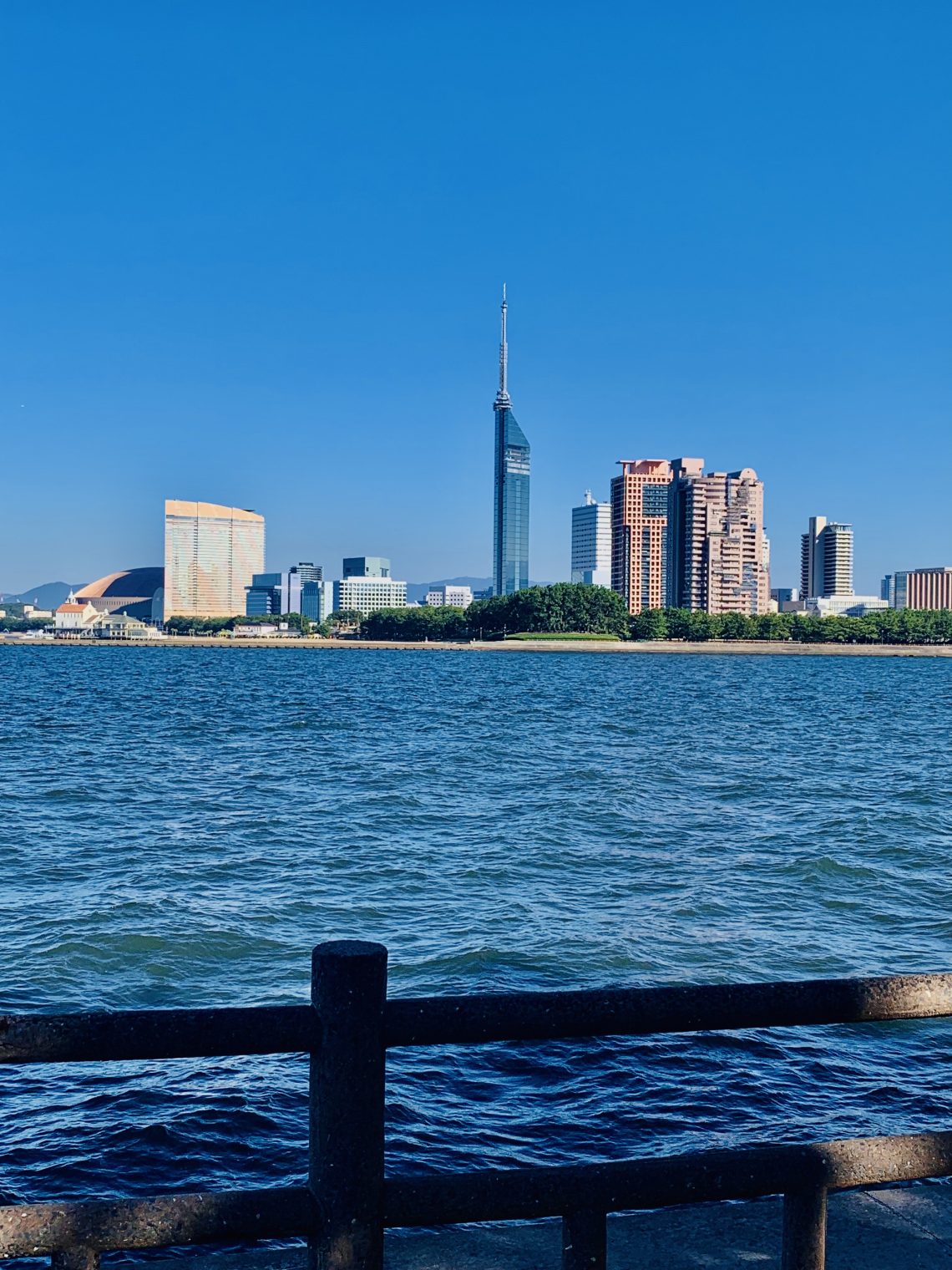
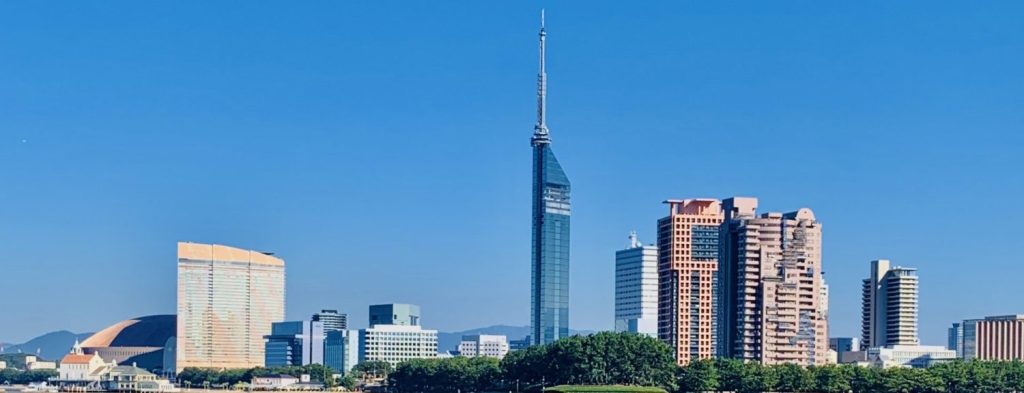
Today, Fukuoka is a vibrant city known for its innovation, cuisine, and festivals. It is the largest city in Kyushu and serves as a gateway to the rest of Asia. Highlights include the Fukuoka Tower, Ohori Park, and the bustling Tenjin and Hakata districts.
Fukuoka’s blend of history and modernity makes it a fascinating destination for visitors and a vital part of Japan’s cultural heritage.

これも好きかも